Eyelid Apposition & Cornea Protection

Ectropion Surgery in Noida

Correcting Outward-Turning Eyelids, Restoring Tear Drainage & Protecting the Ocular Surface

Ectropion surgery in Noida is a specialized oculoplastic procedure used to correct an outward-turning eyelid, most commonly affecting the lower eyelid. When the eyelid turns away from the eye, it prevents normal contact between the eyelid margin and the ocular surface, disrupting tear distribution and eye protection.

Patients with ectropion frequently experience watery eyes, dryness, redness, irritation, foreign-body sensation, and exposure-related eye discomfort. Persistent ectropion leaves the cornea unprotected without adequate lubrication. At ARC Plastic Surgery & Oculoplasty, Dr. Ruchi Rai, Ophthalmologist & Oculoplasty Surgeon, provides expert clinical evaluation and precision surgical repair in Sector 104, Noida.

Punctal Re-alignment & Tear Relief Lateral Tarsal Strip & Retractor Repair
Ectropion Outward Eyelid Correction at ARC Noida

What Is Ectropion?

Ectropion is a condition in which the eyelid margin turns outward, away from the eye. It most commonly affects the lower eyelid.

Because the eyelid no longer sits properly against the eyeball, the normal distribution of tears across the cornea is disrupted. Furthermore, the lower eyelid's tear drainage opening—called the punctum—rotates away from the ocular surface (punctal eversion), preventing tears from entering the tear drainage canal and causing persistent, involuntary tearing (epiphora).

Excessive Watering of the Eye

Tear overflow onto the cheeks caused by displaced punctum and disrupted capillary pump drainage.

Dryness & Burning

Paradoxical chronic dry eye sensation because tears evaporate rapidly from the exposed eyeball.

Eye Redness & Irritation

Chronic inflammation and erythema of the exposed inner mucosal conjunctiva (palpebral conjunctiva).

Foreign-Body Sensation

Persistent gritty, scratchy feeling as if dust or sand is trapped behind the lower eyelid.

Sensitivity to Wind & Light

Stinging photophobia and extreme discomfort when exposed to outdoor drafts or bright sunlight.

Blurred Fluctuating Vision

Hazy eyesight caused by irregular tear film distribution and corneal surface breakdown.

Dr. Ruchi Rai examining lower eyelid ectropion at ARC Noida

What Causes Ectropion?

Most Frequent Category

Age-Related (Involutional) Ectropion

Involutional ectropion is commonly associated with aging-related changes in the lower eyelid. Over time, the eyelid tissues lose collagen and elasticity, resulting in horizontal tendon laxity and loss of structural support.

Changes involving the lower eyelid retractors and canthal tendons contribute to outward rotation of the lid margin. Patients may notice:

  • Lower Eyelid Sagging: The lid falls away from the globe under the weight of gravity.
  • Outward Turning of Lid Margin: The pink palpebral conjunctiva becomes visible and exposed.
  • Persistent Tearing & Dryness: The lacrimal punctum points outward rather than sitting in the tear lake.
  • Chronic Redness & Irritation: Air exposure leads to hypertrophy and inflammation of conjunctival tissues.
Effectively Corrected with Lateral Tarsal Strip & Retractor Re-anchoring
Scar-Mediated Shortening

Cicatricial Ectropion

Cicatricial ectropion occurs when scarring or shortening of the anterior eyelid tissues (skin and orbicularis) pulls the eyelid outward and downward.

Common Triggers:

  • Facial trauma or lacerations
  • Thermal, radiation, or chemical burns
  • Previous eyelid surgeries (e.g., lower blepharoplasty with excessive skin removal)
  • Chronic inflammatory dermatologic diseases (rosacea, eczema)

Requires scar release and skin grafting to restore tissue shortage.

Facial Nerve Palsy

Paralytic Ectropion

Develops when facial nerve (seventh cranial nerve) dysfunction reduces the normal muscle tone and support of the orbicularis oculi muscle.

Facial nerve palsy impairs normal blink mechanics and complete eyelid closure (lagophthalmos), creating significant ocular exposure.

Treatment addresses both eyelid position tightening and incomplete closure.

Physical Force & Mass Effect

Mechanical Ectropion

Mechanical ectropion occurs when a physical force or weight physically pulls, drags, or displaces the lower eyelid away from the eyeball.

Potential Causes:

  • Eyelid masses, benign cysts, or chalazia weighing down the lid
  • Eyelid tumors or neoplastic lesions altering lid architecture
  • Heavy, descending facial tissues, midface descent, or malar edema
  • Post-traumatic structural alterations in adjacent facial zones
Treatment Resolves the Underlying Mass Combined with Eyelid Stabilization

Symptoms of Ectropion: When to Seek Treatment

Constant or Frequent Watering

Persistent epiphora where tears spill over the eyelid onto the cheek rather than draining normally.

Dry, Gritty or Irritated Eyes

Chronic surface dryness and stinging from inadequate tear-film spread and rapid evaporation.

Redness of the Eye

Hyperemic, angry red appearance of the exposed inner eyelid lining (conjunctiva).

Burning Sensation

Uncomfortable stinging and burning that worsens throughout the day and in air-conditioned environments.

Foreign-Body Sensation

Constant feeling of dirt, sand, or eyelashes caught under the eyelid despite repeated rinsing.

Lower Eyelid Turning Outward

A visible gap between the eyeball and the lower eyelid margin, sagging downward away from the eye.

Difficulty Closing the Eye

Incomplete eyelid closure (lagophthalmos), especially during sleep, resulting in morning dryness.

Sensitivity to Wind

Immediate tearing, pain, and reflex spasm when stepping into breezes, dry air, or bright sunlight.

Recurrent Ocular Irritation

Frequent conjunctivitis or blepharitis episodes due to loss of the eyelid's protective barrier.

Blurred Vision

Fluctuating visual acuity caused by irregular corneal hydration and dry epithelial patches.

Persistent Discomfort

A constant sensation of eyelid fatigue, heaviness, and aching around the affected eye socket.

Punctal Eversion

The tear drainage punctum turns away from the eyeball, completely disrupting natural lacrimal drainage.

When Should Ectropion Be Treated?

Mild ectropion may initially be managed with measures designed to protect and lubricate the ocular surface. However, persistent structural ectropion generally requires definitive surgical correction.

Medical measures such as artificial tears, lubricating ointments, or eyelid taping may help control symptoms temporarily while surgery is being planned or when surgery must be deferred.

Early evaluation is particularly urgent when experiencing:

Significant eye dryness & exposure
Persistent corneal exposure & irritation
Corneal epithelial erosion or ulcer risk
Difficulty closing the eye (lagophthalmos)
Increasing redness, pain, or conjunctival thickening
Progressive eyelid malposition and sagging
Significant watering caused by punctal eversion

Ectropion Surgery vs Conservative Treatment

The choice between temporary conservative treatment and surgery depends on the severity and underlying cause of the ectropion.

Lubricating Drops & Ointments

Moisturizes the ocular surface and forms a protective lipid layer. Provides temporary symptom relief but does not reposition the eyelid.

Nocturnal Eyelid Taping

Taping the lower lid in a supportive position prevents overnight exposure keratitis while awaiting scheduled surgical repair.

Definitive Ectropion Surgery

Tightens stretched canthal tendons, re-inserts retractors, or grafts skin to permanently restore anatomical lid position against the eye.

Long-Term Cornea & Tear Restoration

Re-engages the lacrimal punctum, stops epiphora, and shields the cornea from exposure keratitis permanently.

Tired of chronic watering and painful eye exposure?

Book Specialist Consultation

How Is Ectropion Diagnosed?

01

Eyelid Position & Margin

The position of the upper and lower eyelid margins is examined under high magnification to determine the degree of outward rotation and palpebral exposure.

02

Horizontal Eyelid Laxity

Lower eyelid laxity is measured using distraction and snap-back testing. This is an essential component in diagnosing involutional ectropion.

03

Lower Eyelid Retractors

The lower eyelid retractors are evaluated during vertical gaze shifts to determine whether disinsertion or weakness contributes to the outward tilting.

04

Punctum Position & Drainage

The lower punctum is carefully inspected to determine whether it has rotated away from the ocular surface, causing failure of tear drainage.

05

Ocular Surface Health

The cornea and conjunctiva are assessed with fluorescein slit-lamp staining for signs of dryness, exposure keratitis, epithelial defects, redness, or scarring.

06

Cicatricial & Nerve Assessment

Checking for skin shortages, scar contracture from prior blepharoplasty or trauma, and testing facial nerve function for paralytic etiologies.

Ectropion Surgery Techniques in Noida

01 Primary Gold Standard

Lateral Tarsal Strip (LTS) Procedure

A lateral tarsal strip is commonly used to correct horizontal lower-eyelid laxity by re-anchoring the lateral canthal tendon.

Clinical Application:
  • Tightens and stabilizes the lower eyelid against the globe.
  • Fixates the lateral tarsal plate to the orbital rim periosteum.
  • Restores proper eyelid height, tension, and contour.
  • May be used alone or combined with other procedures.
02 Vertical Support

Lower Eyelid Retractor Repair

When lower eyelid retractor disinsertion contributes to outward turning, the retractors are surgically reattached.

Clinical Application:
  • Re-attaches capsulopalpebral fascia to the inferior tarsus.
  • Restores vertical vector support to keep the margin upright.
  • Combined with horizontal tightening when multiple factors coexist.
  • Prevents recurrent rotational instability.
03 Punctal Realignment

Medial Spindle Procedure

When medial eyelid laxity and punctal eversion are present, a medial spindle procedure repositions the punctum.

Clinical Application:
  • Excises a diamond/spindle of conjunctiva and retractors below the punctum.
  • Inverts the lacrimal punctum back into the tear lake.
  • Restores efficient capillary suction for tear drainage.
  • Performed as an adjunct to lateral eyelid tightening.
04 Scar Reconstruction

Skin Grafting for Cicatricial Ectropion

When scar-related shortening of anterior eyelid tissues pulls the lid down, tightening alone will not work.

Clinical Application:
  • Complete surgical release of fibrous contracting scar bands.
  • Full-thickness skin graft harvested from upper lid, retroauricular, or preauricular area.
  • Replaces vertical skin deficit to allow the lid to elevate freely.
  • Supported with temporary tarsorrhaphy or bolster dressings.
05 Facial Nerve Care

Treatment of Paralytic Ectropion

Paralytic ectropion requires lower lid tightening combined with measures to improve dynamic eyelid closure.

Clinical Application:
  • Horizontal tightening (LTS) with higher lateral orbital suspension.
  • Correction of punctal eversion and medial canthal laxity.
  • Upper lid platinum/gold weight implant if lagophthalmos coexists.
  • Addresses corneal exposure while improving facial symmetry.
06 Pathology & Lift

Correction of Mechanical Ectropion

If a mass, tumor, or heavy facial tissue is pulling the lid outward, the underlying cause is treated simultaneously.

Clinical Application:
  • Complete surgical excision of the eyelid mass or tumor.
  • Histopathological evaluation to ensure clear surgical margins.
  • Midface suspension or canthopexy if heavy tissue descent is present.
  • Reconstructs structural eyelid architecture and tone.

Ectropion Surgery & Watery Eyes

One of the most distressing symptoms associated with ectropion is excessive watering or epiphora. Patients often find it paradoxical that an outward-turned eyelid causes tearing.

The lower eyelid contains the tear drainage punctum. When the eyelid turns outward, the punctum is displaced away from the tear lake at the inner corner of the eye, completely eliminating the capillary suction that pulls tears into the nasolacrimal duct.

Realigning the Tear Lake

Correcting lower lid position restores the punctum directly against the ocular surface, enabling natural tear drainage.

Medial Punctal Correction

When needed, an adjunctive medial spindle procedure addresses localized eversion to restore full drainage efficiency.

Ectropion Surgery & Dry Eyes

Although the eye is constantly tearing, patients with ectropion suffer from severe ocular surface dryness and burning.

The eyelids function like windshield wipers. Ectropion interferes with normal eyelid closure and the even distribution of the tear film across the cornea with each blink. The exposed ocular surface dries rapidly in ambient air, resulting in chronic irritation and epithelial breakdown.

Permanent Lubrication Barrier

Surgery brings the eyelid into continuous contact with the globe, ensuring smooth tear film distribution across the entire cornea.

Stops Rapid Tear Evaporation

Restoring eyelid apposition protects the cornea from air, wind, and debris, eliminating chronic burning and redness.

Benefits of Ectropion Surgery

Improved Lower Eyelid Position

Restores anatomical snugness so the eyelid margin rests cleanly and symmetrically against the eyeball.

Better Eyelid-to-Eye Contact

Eliminates the sagging space where dust collects, restoring proper mechanical wiping and corneal coverage.

Reduced Excessive Watering

Positions the lacrimal punctum back into the tear lake so tears drain into the nose rather than spilling onto cheeks.

Improved Tear Distribution

Enables each blink to spread a uniform, protective layer of tears across the corneal epithelium.

Reduced Dryness & Irritation

Resolves chronic stinging, burning, gritty foreign-body sensations, and unsightly conjunctival redness.

Better Protection of the Cornea

Shields the delicate cornea against exposure keratitis, epithelial erosions, bacterial infections, and ulcers.

Improved Eyelid Closure

Allows effortless, complete eye closure during sleep and spontaneous blinking, preventing morning soreness.

Restored Eye Comfort

Relieves the persistent irritation, wind sensitivity, and fatigue that impair everyday activities and screen time.

Recovery After Ectropion Surgery

Phase 1
Days 1 – 3

Immediate Post-Op

Mild swelling, bruising, and tightness are normal. Cold compresses applied for 10-15 minutes reduce puffiness. Prescribed antibiotic and lubricating eye drops maintain cleanliness.

Phase 2
Days 7 – 10

Suture Removal

External sutures are removed painlessly at ARC Clinic in Sector 104, Noida. Bruising fades to light yellow, and eyelid stability begins to feel comfortable and secure.

Phase 3
Weeks 2 – 4

Tissue Stabilization

The lower lid margin settles into its natural contour against the eyeball. Excessive watering stops, and patients comfortably return to work, driving, and routine tasks.

Phase 4
Months 2 – 3

Complete Healing

Incision lines blend invisibly into natural lateral canthal lines. Tear distribution is completely normalized with clear, protected vision.

Is Ectropion Surgery Safe?

Bleeding & Bruising
Infection (Extremely Rare)
Temporary Swelling
Incision Scarring
Temporary Discomfort & Tightness
Overcorrection (Entropion)
Undercorrection
Eyelid Asymmetry
Recurrence of Ectropion (Over Years)
Persistent Watering (Lacrimal Co-factors)
Ocular-Surface Irritation
Need for Revision Surgery

Hospital-Grade Ophthalmic Care

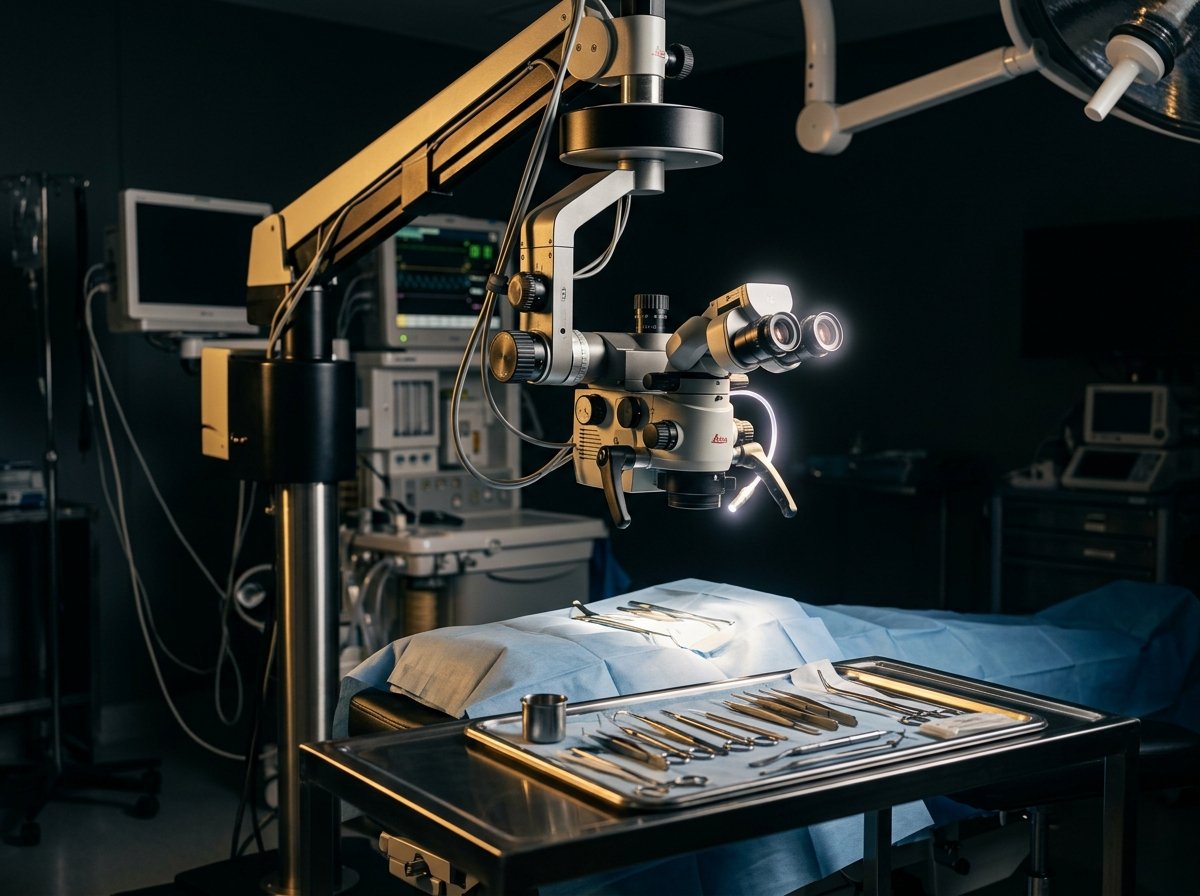
ARC Plastic Surgery & Oculoplasty Center in Sector 104, Noida is equipped with modern ophthalmic micro-surgical instrumentation for delicate eyelid malposition procedures.

High-definition surgical operating microscopes
Ultra-fine micro-vascular ophthalmic sutures
Intra-operative eyelid tension and snap-back verification
Dedicated pre- and post-op patient suites
Dr. Ruchi Rai - Oculoplastic Surgeon for Ectropion in Noida
Oculoplasty Specialist

Why Choose Dr. Ruchi Rai for Ectropion Treatment in Noida?

For patients searching for the best ectropion treatment in Noida, accurate diagnosis and individualized surgical planning are essential. Ectropion has diverse causes, and a one-size-fits-all approach leads to high recurrence rates.

At ARC Plastic Surgery & Oculoplasty, Dr. Ruchi Rai performs a comprehensive evaluation including:

Type and Severity of Ectropion

Distinguishing involutional, cicatricial, paralytic, and mechanical malpositions.

Lower Eyelid & Retractor Laxity

Assessing canthal tendon strength, capsulopalpebral fascia, and vertical vector support.

Punctal Position & Lacrimal Drainage

Ensuring tear drainage puncta are precisely realigned with the tear lake.

Ocular-Surface & Corneal Health

Tracking epithelial integrity and preventing exposure keratitis complications.

Scarring & Prior Surgery Analysis

Planning scar release, tissue mobilization, or skin grafting for cicatricial cases.

Facial Nerve & Closure Function

Customizing dynamic lid closure strategies for facial nerve palsy patients.

The objective is to restore appropriate eyelid position while protecting the eye and maintaining a natural, refreshed aesthetic appearance.

Schedule Evaluation with Dr. Ruchi Rai →

Frequently Asked Questions About Ectropion Surgery

Ectropion is an outward turning of the eyelid margin, most commonly involving the lower eyelid. It causes the inner eyelid lining to become exposed and prevents normal lubrication, tear distribution, and protection of the eye.

Common symptoms include excessive watery eyes, dryness, redness, burning or irritation, foreign-body sensation, sensitivity to wind and light, and discomfort due to inadequate eyelid-to-eye contact.

Yes. Ectropion can cause the lower tear drainage opening (punctum) to turn away from the eyeball. When the punctum is not seated in the tear lake, tears cannot drain into the tear duct and instead spill over onto the cheek, causing constant watering.

Yes. Persistent ectropion leaves the ocular surface exposed to air and contaminants and interferes with normal tear lubrication. In severe or prolonged cases, prolonged exposure may cause exposure keratitis, corneal abrasions, bacterial infections, and corneal ulcers.

Lubricating eye drops, ointments, and eyelid taping can provide temporary symptom relief in selected cases. However, persistent structural ectropion caused by stretched tendons or tissue shortening generally requires surgical correction for definitive treatment.

Involutional or age-related ectropion is the most common form. It is associated with natural age-related laxity, stretching of the canthal tendons, and weakness in the supporting retractor structures of the lower eyelid.

Ectropion occurs when the eyelid turns outward, away from the eye, exposing the conjunctiva.
Entropion occurs when the eyelid turns inward toward the eye, causing the eyelashes to continually scrape against the cornea. Both are eyelid malpositions, but their symptoms, causes, and surgical treatments are distinct.

Yes. Scarring or excessive skin excision following prior cosmetic lower blepharoplasty or skin cancer removal can shorten the anterior lamella, pulling the eyelid downward and outward. This is known as cicatricial ectropion and may require scar release and skin grafting.

Yes. Facial nerve dysfunction (such as in Bell's palsy) reduces the muscular tone of the orbicularis oculi muscle. This leads to paralytic ectropion, accompanied by an inability to fully close the eye (lagophthalmos), requiring specialized tightening and closure support.

Surgery is intended to provide a long-term correction. However, ectropion can recur years later in some patients, particularly when age-related tissue laxity continues to progress, or if chronic scarring disorders persist.

An ophthalmologist with specialized fellowship expertise in oculoplastic surgery, such as Dr. Ruchi Rai at ARC Plastic Surgery & Oculoplasty in Sector 104, Noida. An oculoplastic surgeon possesses the precise skills to assess both delicate ocular surface health and complex eyelid biomechanics.

Visit Our Center

Open for Ectropion Consultations

ARC Plastic Surgery
& Oculoplasty Center

Address HA-80,Block A, Sector 104, Noida,
Uttar Pradesh 201304
Consultation Hours Mon – Sat: 12:00 – 20:00
ARC Plastic Surgery — Sector 104, Noida