Permanent Natural Growth

Hair Transplant in Noida

Advanced Micro-FUE & FUT Restoration, Feathered Hairlines & Crown Density

Hair transplant in Noida is a specialized surgical hair-restoration procedure used to restore permanent hair density in areas affected by male pattern baldness, female pattern hair loss, receding hairlines, thinning crown, and selected forms of permanent hair loss. During the procedure, healthy hair follicles are taken from a suitable donor area, usually the back or sides of the scalp, and moved to areas where the hair has become thinner.

Today, hair transplantation is mainly done using Follicular Unit Extraction (FUE) or Follicular Unit Transplantation (FUT). At ARC Plastic Surgery, senior plastic surgeon Dr. Ashish Rai (MCh Plastic Surgery) formulates customized hair restoration plans based on your donor hair density, loss progression, and aesthetic goals. If you are searching for a hair transplant in Noida, FUE hair transplant, or hair transplant cost in Noida, a personal consultation is the best starting point.

Dr. Ashish Rai (MCh) Feathered Natural Hairline 95%+ Graft Viability Sector 104, Noida
Hair Transplant Surgery at ARC Noida
Dr. Ashish Rai • Hair Restoration
Permanent DHT-Resistant Growth

The Science of Hair Restoration in Noida

A hair transplant involves moving living hair-bearing follicular units from a genetically resilient safe donor area to areas affected by thinning or baldness.

The fundamental biological foundation of hair restoration is Donor Dominance: hair follicles harvested from the mid-occipital and parietal safe zones at the back and sides of the scalp are genetically immune to the miniaturizing effects of dihydrotestosterone (DHT). When transplanted into bald areas, they retain this permanent genetic resistance and continue to grow normally for a lifetime.

Unlike temporary concealment methods such as hair fibers, wigs, or toupees, a surgical hair transplant relocates complete, living follicular units—yielding genuine hair that can be washed, styled, cut, and treated completely naturally.

Anatomical Follicular Unit Architecture

Grafts contain naturally occurring clusters of 1 to 4 hairs with complete sebaceous glands and neurovascular papillae.

Safe Donor Zone Trichoscopic Mapping

Pre-operative digital trichoscopy ensures extractions are strictly within the permanent, non-thinning safe donor perimeter.

Minimal Follicular Transection

Sharp micro-punches (0.75 mm – 0.9 mm) combined with chilled holding solutions ensure over 95% graft viability.

Plastic Surgeon Led Precision

Hairline design, acute angulation, and microscopic graft distribution planned and directed by Dr. Ashish Rai.

Clinical Insight: Hair loss is a progressive condition. A successful hair transplant does not just address today's baldness—it is planned conservatively to protect donor reserves so you maintain natural, balanced hair density as you age.

Dr. Ashish Rai conducting hair transplant evaluation at ARC Noida
Subspecialty Precision Plastic Surgeon Directed Follicular Restoration

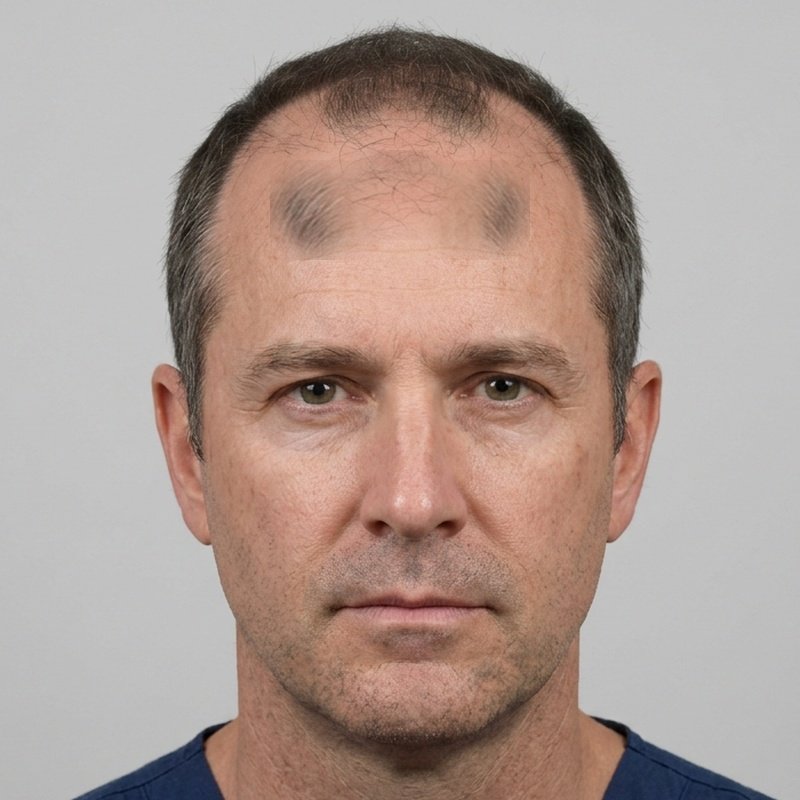
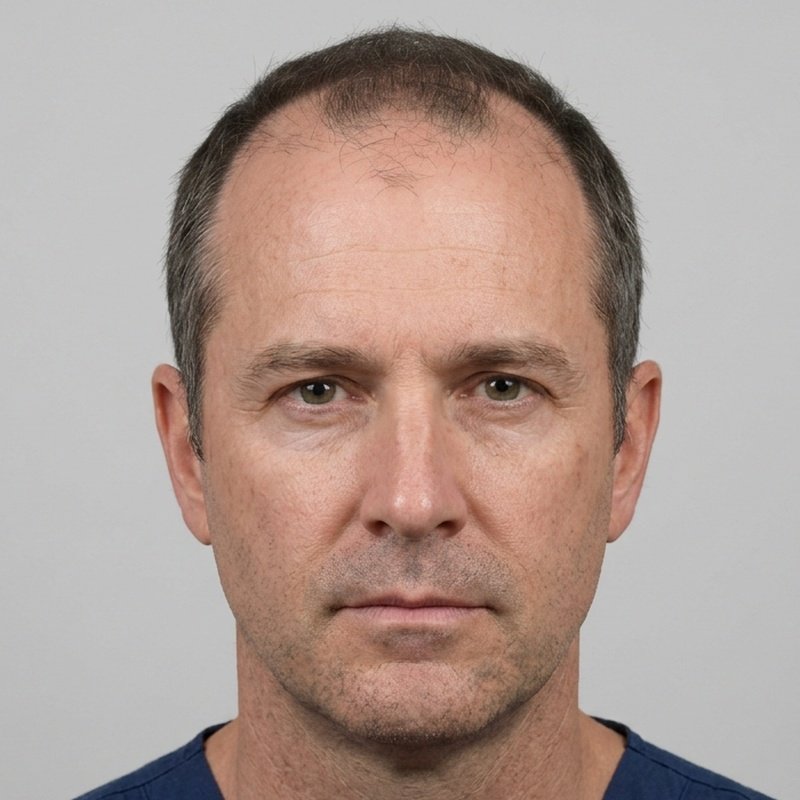
Before & After Hair Restoration Transformation

Observe how precision follicular unit placement recreates a feathered, youthful frontal hairline and restores natural optical density.

After Hair Transplant High Density Hairline ARC Noida Post-Procedure Natural Growth
Before Hair Transplant Receding Hairline ARC Noida Pre-Procedure Receding Hairline
Growth Timeline Visible at 3–4 Mo • Mature at 9–12 Mo
Hairline Design Single-Hair Feathered Micro-Contours
Follicle Permanence 100% DHT-Resistant Safe Zone Grafts

Hair Restoration Services in Noida

Every hair loss pattern is distinct. Dr. Ashish Rai formulates tailored approaches addressing male pattern loss, female diffuse thinning, facial hair, and scar camouflage.

01 Minimally Invasive
FUE Hair Transplant in Noida
Individual Follicle Extraction

FUE Hair Transplant

Follicular Unit Extraction extracts individual follicular units one by one using 0.75–0.9 mm micro-punches, leaving tiny pin-point marks that heal rapidly.

Clinical Advantages:
  • No linear strip scar across donor area
  • Wear short buzz cuts or skin fades with ease
  • Minimal postoperative tightness & rapid healing
  • Enables harvesting from beard donor when needed
Minimal Scarring: Leaves microscopic extraction dots scattered across the donor zone that become virtually invisible once healed.
02 Mega-Session Yield
FUT Strip Hair Transplant Noida
Microscopic Strip Dissection

FUT Hair Transplant (Strip)

Follicular Unit Transplantation harvests a narrow elliptical strip from the mid-occipital safe zone, dissected into individual grafts under stereoscopic magnification.

Clinical Advantages:
  • Highest graft yield (3,000–4,000+ grafts) in 1 session
  • Excellent for extensive Norwood V–VII baldness
  • Microscopic dissection protects follicle bulbs
  • Trichophytic closure allows hair to grow through scar
Hairstyle Consideration: Leaves a fine linear scar easily concealed beneath medium to longer hair styles.
04 Crown & Whorl
Crown Hair Transplant in Noida
Spiral Whorl Recreation

Crown (Vertex) Restoration

Thinning at the crown requires meticulous radial angulation to recreate the natural spiral whorl while managing graft economy efficiently.

Key Considerations:
  • Pinpoint recreation of original cowlick whorl
  • High optical density shingling technique
  • Conservative graft usage to protect donor supply
  • Multi-unit grafts placed centrally for fullness
Radial Angulation: Grafts must change direction in a spiral circle matching natural vertex growth geometry.
05 Facial Hair
Beard Transplant in Noida
Ultra-Flat Exit Angles

Beard & Moustache Restoration

Restores patchy cheek hair, thin moustaches, or trauma scars with micro-grafts implanted at acute flat angles matching natural facial hair growth.

Clinical Advantages:
  • Sharp cheekline and jawline definition
  • Ultra-flat 10–15° skin exit angle placement
  • Full moustache, goatee, and sideburn fullness
  • Camouflages facial injury or cleft lip scars
Donor Matching: Single-hair follicles selected from scalp or submental beard to match facial hair texture.
06 Revision & Scars
Scalp Scar Hair Transplant Noida
Scar Concealment & Repair

Scalp Scar Camouflage

Implantation of robust follicular units into fibrous scar beds caused by past surgeries, previous strip procedures, trauma, or burns.

Indications Addressed:
  • Camouflaging wide linear FUT donor scars
  • Covering neurosurgical or trauma scar lines
  • Correcting pluggy, unnatural previous transplants
  • Restoring hairline softness and natural angles
Vascular Assessment: Scar vascularity is checked to ensure robust graft intake before implantation.

Hair Transplantation for Common Loss Patterns

Hair restoration in Noida addresses progressive androgenetic loss, genetic hairline changes, and patchy facial thinning.

Male Pattern

Male Pattern Baldness (Norwood Stages II to VII)

Androgenetic alopecia driven by dihydrotestosterone (DHT) typically recedes the frontal temples and thins the vertex crown. Relocating DHT-resistant follicles from the occipital safe donor area creates a permanent, dense frame that transforms facial proportions.

Permanent Safe Zone Grafts • High Density
Frontal Zone

Receding Temporal Hairline

Deepening "M-shaped" temporal recession that artificially ages the face, restored with feathered single-hair micro-contours.

Crown

Thinning Vertex (Crown)

Circular thinning at the top-back of the head, addressed through precise spiral whorl angulation and high optical shingling.

Female Pattern

Female Diffuse Thinning

Widening central partings with preserved frontal borders, densified through careful graft placement without cutting existing hair.

Facial Hair

Patchy Beard & Moustache

Genetically sparse or patchy facial hair filled with ultra-flat graft placement matching natural cheek growth vectors.

Scarring

Trauma & Surgical Scars

Previous strip scars, neurosurgical incisions, or injury scars camouflaged by implanting follicles into vascularized fibrous beds.

Long-Term Safety

Donor Reserve Preservation for the Future

Hair loss is progressive. Over-harvesting the donor area creates a "moth-eaten" appearance. Dr. Ashish Rai calculates graft requirements conservatively, ensuring adequate donor reserves remain available should future hair loss occur decades later.

Doctor-Led Trichoscopic Safe Zone Mapping

Hair Transplant Candidates in Noida

Hair transplantation is suitable for men and women with stabilized loss patterns and sufficient safe donor reserves:

You may be considered an ideal candidate if you have:

Stabilized male pattern baldness (Norwood II to VI)
Receding frontal hairline altering facial balance
Crown vertex thinning with healthy surrounding hair
Stable female pattern hair loss with dense occipital donor zones
Adequate donor hair density at the back and sides of the scalp
Healed post-surgical, burn, or traumatic scalp scars
Realistic expectations regarding density and 12-month maturation

Common Causes of Hair Loss

Identifying the clinical root cause ensures that surgical transplantation is performed only when medically indicated:

Androgenetic Alopecia

Genetic sensitivity to DHT causing progressive follicular miniaturization.

Hormonal Shifts

Thyroid disorders, PCOS, and post-partum hormonal fluctuations.

Nutritional Factors

Deficiencies in iron/ferritin, Vitamin D3, B12, and essential dietary proteins.

Previous Trauma

Physical scalp injuries, neurosurgery incisions, or previous strip surgery scars.

Need a professional trichoscopic scalp evaluation?

Book Scalp Evaluation

FUE vs. FUT Hair Transplant in Noida

Both techniques yield identical, high-density, natural results. The primary difference lies in how donor follicles are harvested.

Individual Extraction

FUE (Follicular Unit Extraction)

Micro-Punch Harvesting (0.75–0.9 mm)

  • Harvesting: Grafts extracted individually using micro-punches scattered across donor area.
  • Scarring: Tiny micro-dot marks; virtually undetectable even with short buzz cuts.
  • Donor Closure: No sutures or surgical stitches required; heals spontaneously.
  • Downtime: Rapid donor recovery within 3 to 5 days; minimal postoperative tightness.
  • Best Suited For: Patients who prefer short hairstyles, beard transplants, or moderate loss.
Strip Dissection

FUT (Strip Technique)

Stereoscopic Microscopic Dissection

  • Harvesting: Elliptical strip harvested from mid-occipital safe zone; dissected under microscopes.
  • Scarring: A fine linear scar across the back of the head, concealed beneath medium/long hair.
  • Donor Closure: Trichophytic closure allows hair to grow through the fine scar line.
  • Downtime: Suture removal at 10–12 days; slightly longer donor sensation settling.
  • Best Suited For: Maximum graft yield (3,000–4,000+ grafts) in 1 session for extensive baldness.

Which Method Is Best for You?

If you like wearing your hair very short or want to avoid any linear scar, FUE is the preferred technique. If you require maximum graft volume in a single sitting for advanced Norwood V–VII loss and keep your hair at medium length, FUT or a combined FUE+FUT mega-session may be ideal. Dr. Ashish Rai will evaluate your donor density and recommend the optimal technique.

13-Point Hair Restoration Planning in Noida

A successful hair transplant requires detailed architectural planning. Dr. Ashish Rai systematically assesses 13 key parameters before making a single extraction.

01

Norwood Staging

Classification of baldness pattern (Stages I–VII) to project lifetime hair loss progression.

02

Donor Density (FU/cm²)

Digital measurement of follicular units per square centimeter to verify safe harvest capacity.

03

Safe Donor Perimeter

Mapping permanent occipital boundaries to ensure extracted hairs are permanently immune to DHT.

04

Hair Shaft Calibre

Coarse vs fine hair thickness analysis; thicker shafts provide superior optical coverage with fewer grafts.

05

Scalp Mobility & Laxity

Evaluation of scalp glide and flexibility, crucial for donor closure planning during FUT procedures.

06

Hair Curl & Wave

Wavy and curly hair creates greater visual shading, allowing natural density with fewer overall follicular units.

07

Hair-to-Skin Contrast

Assessing contrast between scalp skin and hair colour to calculate optical density requirements.

08

Hairline Height & Shape

Designing an age-appropriate hairline respecting the rule of facial thirds and natural temporal recessions.

09

Family Genetic History

Reviewing paternal and maternal hair loss patterns to anticipate future loss and protect donor supply.

10

Medical & Drug Review

Screening for blood thinners, hypertension, smoking, and previous surgeries that affect healing kinetics.

11

Precise Graft Calculation

Exact zone-by-zone follicle count calculation (hairline, transition zone, mid-scalp, and crown).

12

High-Definition Photography

Standardized multi-angle photographic documentation for pre-operative and post-operative analysis.

13

Long-Term Donor Preservation Strategy

Ensuring that current extractions do not deplete the donor area, leaving adequate reserves for potential secondary touch-ups as the patient ages over future decades.

Hair Transplant Procedure ARC Noida
Sterile Modular Hair Suite

The Hair Transplant Procedure in Noida

Hair transplantation is an outpatient procedure performed under gentle local tumescent anesthesia. Patients remain awake, relaxed, and comfortable throughout the day.

The surgical process involves 4 coordinated stages: surgical planning and hairline marking, painless local anesthesia, atraumatic graft extraction with chilled preservation, and precision slit creation with angled graft implantation.

1
Hairline Design & Zone Mapping

Dr. Ashish Rai meticulously draws the proposed hairline while seated upright, confirming facial balance and patient agreement.

2
Gentle Local Tumescent Anesthesia

Administered with ultra-fine needles and vibration comfort technology, rendering the scalp completely numb and pain-free.

3
Atraumatic Graft Extraction & Chilling

Follicles extracted using sharp micro-punches and immediately placed in cold holding solutions to preserve bulb viability.

4
Micro-Slit Recipient Implantation

Recipient sites created with microscopic sapphire blades matching natural direction, angle, and density before graft insertion.

Benefits of Hair Transplant Surgery

A medically planned hair transplant delivers permanent, natural restoration that eliminates the psychological burden of progressive baldness.

Permanent & Growing Hair

Transplanted DHT-resistant safe zone follicles grow naturally for life, requiring normal washing, cutting, and styling.

Completely Natural Aesthetic

Single-hair micro-grafts and correct growth angulations ensure your hairline looks 100% authentic and undetectable.

Youthful Facial Framing

Restoring a receding hairline re-establishes balanced facial thirds, reversing years of premature aesthetic ageing.

Outpatient Daycare Procedure

Completed in a single day under local anesthesia; patients return to the comfort of their home the very same afternoon.

Quick Return to Routine

Most patients resume desk jobs within 3 to 7 days, with minimal post-op discomfort easily managed by mild analgesics.

No Ongoing Concealment Needed

Eliminates dependency on messy hair fibers, toupees, or styling powders—your own natural hair grows continuously.

Restored Confidence & Self-Image

Rebuilding a healthy head of hair revitalizes personal and professional self-confidence. Results vary depending on donor hair density, calibre, graft yield, and post-operative adherence.

Recovery Timeline & 12-Month Hair Growth

Understanding the physiological stages of graft healing and "shock loss" ensures realistic expectations throughout your restoration journey.

Hair Transplant Safety & Complication Prevention

Hair transplantation is a safe, minor surgical procedure when performed by a qualified plastic surgeon. However, commercial clinics that employ untrained technicians carry severe risks such as over-harvested donor areas, poor graft survival, and unnaturally pluggy hairlines.

Transient Forehead Swelling
Mild Itching During Healing
Temporary Donor Numbness
Expected Shock Loss Shedding
Minor Folliculitis (Treatable)
Donor Over-Harvesting (Prevented by Safe Mapping)
Graft Transection (Prevented by Sharp Punches)

How We Safeguard Your Grafts: At ARC Plastic Surgery, all procedures take place in a sterile laminar-flow operating theatre. Grafts are stored in temperature-controlled holding solutions and transplanted with minimal out-of-body time to achieve maximum viability.

Hospital-Grade Surgical Standards

ARC Plastic Surgery Center in Sector 104, Noida adheres to hospital-level sterile standards for all hair restoration surgeries.

High-magnification surgical stereoscopes
Single-use disposable 0.75–0.9 mm micro-punches
Chilled holding solutions for graft viability
100% doctor-planned and directed execution
Dr. Ashish Rai - Senior Plastic Surgeon in Noida
MCh Plastic Surgeon

Why Choose Dr. Ashish Rai for Hair Restoration?

A hair transplant is both an intricate surgical operation and an aesthetic discipline. It requires acute medical judgment of vascular anatomy alongside artistic mastery of facial proportions.

Unlike commercial hair franchises where sales representatives and non-medical technicians perform consultations and surgical stages, Dr. Ashish Rai personally diagnoses your scalp, calculates graft parameters, and designs your hairline.

With over 20 years of reconstructive surgery experience, Dr. Ashish Rai ensures that your donor supply is protected, your graft survival is optimized, and your new hairline looks dignified and natural for life.

20+ Years Surgical Excellence

Extensive experience performing intricate reconstructive and aesthetic micro-surgeries.

Natural Hairline Artistry

Mastery of single-hair micro-feathering and angled slit creation for undetectable growth.

Dual FUE & FUT Mastery

Unbiased recommendations between FUE and FUT based purely on your clinical requirements.

Sector 104, Noida Clinic

Centrally located boutique center offering confidential, unhurried 1:1 doctor consultations.

Schedule Evaluation with Dr. Ashish Rai →

Hair Transplant FAQs

Get clear, medical answers to questions about FUE vs FUT, graft survival, pain, recovery, and long-term results.

A hair transplant is a surgical procedure that moves hair follicles from a donor area with good hair density (usually the back and sides of the scalp) to areas experiencing hair thinning or baldness.

It works on the biological principle of donor dominance: healthy hair follicles taken from the safe donor area are genetically resistant to the thinning effects of dihydrotestosterone (DHT). When transplanted into bald areas, they retain this resistance and continue to grow naturally.

In FUE, individual follicular units are extracted one by one using micro-punches, leaving tiny dot scars. In FUT, an elliptical strip of scalp skin is removed from the donor area and dissected into grafts under microscopes, leaving a fine linear scar. Both yield identical, natural growth in the recipient area.

Yes. The transplanted hair follicles are harvested from the permanent safe donor zone and are genetically resistant to thinning, meaning they continue to grow for life. However, existing non-transplanted native hair may continue to thin without medical stabilization.

Yes, when performed by an experienced plastic surgeon. A natural look depends on microscopic hairline design, the exclusive use of single-hair grafts along the front border, and precise replication of natural exit angles and growth directions.

The procedure is performed under local tumescent anesthesia, so the scalp is completely numb and pain-free during surgery. Patients experience only brief pinprick sensations during initial numbing and mild soreness for 24–48 hours afterward, easily managed with mild oral painkillers.

It typically takes between 4 to 8 hours depending on the number of grafts required. Because it is performed as an outpatient procedure, patients return home comfortably the same afternoon.

Transplanted hairs typically shed during weeks 2 to 8 (shock loss). New hair growth becomes visible around months 3 to 4, noticeably thickens by month 6, and achieves full mature density and texture between 9 to 12 months.

Shock loss is the natural, temporary shedding of transplanted hair shafts 2 to 6 weeks after surgery. The underlying follicular root remains healthy and resting in the scalp dermis before sprouting fresh permanent hair around month 3.

Graft numbers vary widely: frontal hairline recession often requires 1,500 to 2,500 grafts, while extensive baldness (Norwood IV–VI) may require 3,000 to 4,500+ grafts. An exact calculation is determined during your trichoscopic scalp evaluation.

Yes. Women with stable female pattern hair loss, wide partings, or traction alopecia who have healthy donor density at the back of the scalp can achieve excellent, natural results with hair transplantation.

FUE leaves microscopic circular extraction marks (less than 1 mm in diameter) that heal as tiny white dots. Because they are scattered across the donor zone, they are virtually undetectable even with short buzz cuts.

Yes. When scalp donor reserves are limited, beard hair from beneath the jawline provides excellent supplemental donor grafts, particularly for mid-scalp and crown densification.

Most patients take 3 to 7 days off before returning to desk work. Micro-scabs shed within 7 to 10 days, after which light exercise and normal social activities can be resumed comfortably.

You should consult a board-certified plastic and reconstructive surgeon with specialized experience in hair restoration, such as Dr. Ashish Rai (MCh Plastic Surgery) at ARC Plastic Surgery, Sector 104 Noida. A plastic surgeon evaluates both the medical causes of loss and the aesthetic geometry of your facial structure.