Precision Fat Deposit Removal & Eyelid Safety

Xanthelasma Treatment in Noida

Xanthelasma treatment in Noida is specialized care for xanthelasma palpebrarum, a common eyelid condition that causes soft, yellow or yellow-white cholesterol patches around the eyelids. While xanthelasma is medically harmless, many individuals opt to remove it because it is prominently visible, alters eyelid appearance, and can cause significant cosmetic distress. It may also serve as an external indicator of high blood cholesterol and lipid abnormalities.

At ARC Plastic Surgery & Oculoplasty, Dr. Ruchi Rai, Ophthalmologist & Oculoplasty Surgeon, evaluates periocular skin lesions and guides patients to the most appropriate, scar-concealing treatment modality in Sector 104, Noida.

Surgical Excision & Laser Ablation Lipid Profile Screening Guidance
Xanthelasma Treatment at ARC Noida

What Is Xanthelasma?

Xanthelasma palpebrarum is the accumulation of cholesterol and fat deposits within specialized cells (lipid-laden histiocytes or foam cells) beneath the surface of the eyelid skin. It most commonly shows as soft, yellowish or yellow-white deposits in the inner region (medial canthus) of the upper and lower eyelids.

While xanthelasma does not impair vision or cause physical pain, the deposits tend to grow broader and thicker over time. Because the plaques sit prominently around the eyes, they can significantly affect facial aesthetics and personal confidence.

Xanthelasma can occur in individuals with completely normal cholesterol levels as well as those with elevated blood lipid levels. For this reason, a comprehensive cholesterol panel and lipid evaluation is recommended alongside physical removal of the plaques.

Inner Corner Deposition

Most frequently appears near the inner corners (medial canthus) of upper and lower lids.

Velvety, Soft or Raised Plaques

Presents as flat or slightly raised yellow patches that may merge into larger sheets.

100% Benign Nature

Harmless to eyesight and corneal clarity; treatment is sought for aesthetic rejuvenation.

Lipid Biomarker

Serves as a visible external sign that warrants checking fasting lipid and cholesterol levels.

Dr. Ruchi Rai examining xanthelasma under slit lamp at ARC Noida

Xanthelasma Treatment Options in Noida

01 Gold Standard for Deep Plaques

Precision Surgical Excision

The definitive treatment for moderate, deep, thick, or recurrent xanthelasma plaques. Under gentle local anesthesia, the lipid bed is excised cleanly.

Clinical Advantages:
  • Direct, complete removal of deep foam-cell deposits.
  • Incisions hidden strictly within natural eyelid skin creases.
  • Lowest statistical recurrence rate among all modalities.
  • Tissue can be histopathologically verified if required.
02 Minimally Invasive

Advanced Laser Ablation (CO2 / Erbium)

A focused laser vaporizes cholesterol-rich cells layer by layer with microscopic precision, ideal for shallow, flat deposits near the lid margin.

Clinical Advantages:
  • No scalpel incisions or surgical stitches needed.
  • Rapid healing with minimal bleeding and swelling.
  • Excellent for shallow, scattered plaques.
  • Energy calibrated by Dr. Ruchi Rai to prevent pale spots.
03 Chemical Coagulation

TCA Chemical Peeling (50%–70%)

Targeted application of medical-grade Trichloroacetic Acid specifically to the yellow deposits, coagulating proteins and causing them to slough off.

Clinical Advantages:
  • Suitable for flat, superficial, early-stage spots.
  • Quick office treatment without surgical downtime.
  • Must be executed by an eye specialist to protect the cornea.
  • May require 1 to 2 sessions for complete clearance.
04 Micro-Thermal Accuracy

Radiofrequency (RF) Ablation

High-frequency radiowave micro-electrodes pinpoint and melt xanthelasma tissue while instantly coagulating micro-vessels with minimal lateral thermal spread.

Clinical Advantages:
  • Minimal collateral thermal injury to nearby skin.
  • High clearance rate for well-defined small plaques.
  • Fast re-epithelialization with minimal downtime.

Preserving Eyelid Contour & Eye Health

The main reason people treat xanthelasma is cosmetic. However, because xanthelasma develops in the paper-thin periocular skin, treatment must remove the lesion without disrupting the natural contour, closure, or blink dynamics of the eyelids.

Treatments performed aggressively or by non-specialists carry significant clinical risks:

Depressed Scarring
Permanent Hypopigmentation (Pale Patches)
Lower Eyelid Pulling Down (Ectropion)
Eyelid Asymmetry & Distortion
Incomplete Removal & Rapid Recurrence
Corneal Exposure & Tearing

Hospital-Grade Ophthalmic Safety

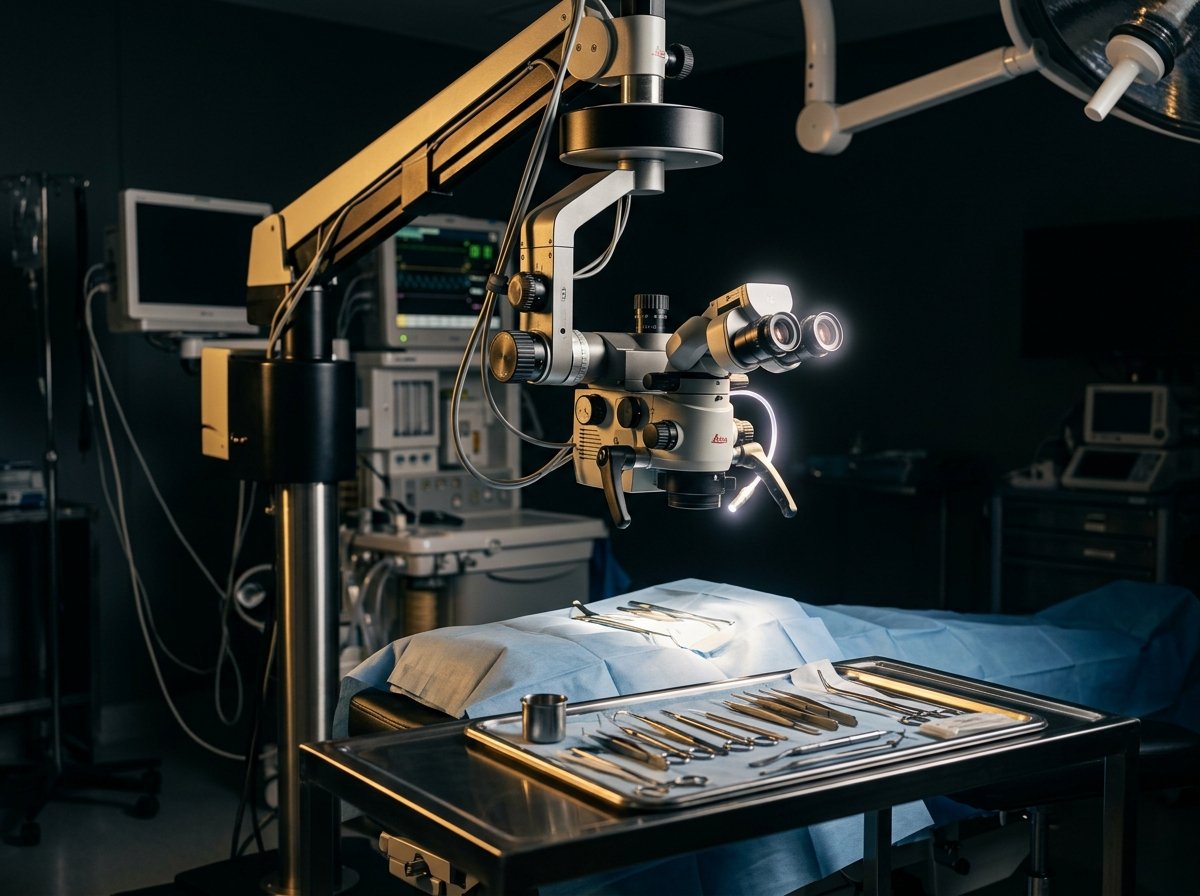
ARC Plastic Surgery & Oculoplasty Center in Sector 104, Noida utilizes precision surgical operating microscopes and delicate micro-ophthalmic instrumentation for every procedure.

High-magnification surgical operating microscopes
Ultra-fine 6-0 to 7-0 ophthalmic micro-sutures
Calibrated energy delivery to prevent hypopigmentation
Day-care procedure with zero hospital stay required

Recovery After Xanthelasma Treatment

Phase 1
Days 1 – 3

Early Healing

Mild swelling, redness, and minor discomfort around the treated area. A thin layer of prescribed antibiotic/healing ointment is applied 2–3 times daily. Cool compresses soothe puffiness.

Phase 2
Days 5 – 7

Suture Removal

For surgical patients, ultra-fine micro-sutures are painlessly removed at ARC Noida. For laser/peel patients, dry crusts naturally shed, revealing healthy fresh pink skin underneath.

Phase 3
Weeks 2 – 4

Color Blending

The pinkish hue of newly healed skin gradually matures and blends with your natural eyelid shade. Patients apply broad-spectrum mineral SPF 50 and wear UV sunglasses outdoors.

Phase 4
Months 2 – 3

Complete Integration

Collagen remodeling completes. Incision lines are practically imperceptible, eyelid skin feels supple, and the yellow cholesterol patches are completely resolved.

Dr. Ruchi Rai - Oculoplastic Surgeon for Xanthelasma in Noida
Oculoplasty Specialist

Why Choose Dr. Ruchi Rai for Xanthelasma in Noida?

Treating xanthelasma requires more than just removing a superficial yellow mark. Because it sits on the most delicate zone of the face, the surgeon must balance complete deposit clearance, corneal protection, scar concealment, and symmetrical eyelid position.

At ARC Plastic Surgery & Oculoplasty, Dr. Ruchi Rai brings sub-specialty oculoplastic surgical training to every case:

Ophthalmic & Oculoplastic Specialization

Ensures that eyelid blink mechanics and tear drainage are never compromised.

Comprehensive Toolset

Offering surgical micro-excision, laser ablation, radiofrequency, and chemical peeling.

Invisible Scar Technique

Incision placement hidden strictly within natural eyelid creases or relaxed skin lines.

Cardiovascular & Lipid Guidance

Advising on comprehensive lipid profile testing to safeguard overall systemic wellness.

Schedule Evaluation with Dr. Ruchi Rai →

Frequently Asked Questions About Xanthelasma

Xanthelasma is a harmless yellowish patch caused by fatty (cholesterol) deposits under the skin around the eyelids. It commonly appears near the inner corners of the upper and lower eyelids.

No. Xanthelasma is completely benign and is not a form of eyelid cancer. However, any unusual or unclear eyelid lesion should be checked by an eye specialist before treatment to confirm the diagnosis.

Not always. Xanthelasma can occur in people with completely normal cholesterol levels, but it can also be linked with high cholesterol or other changes in blood fat levels. Around 50% of adults with xanthelasma have an abnormal lipid profile.

Yes, it is highly recommended, especially if you have never had your fasting lipid profile checked before. Your doctor will advise on testing total cholesterol, LDL, HDL, and triglycerides.

Treatment can completely remove the existing patches, but xanthelasma can come back over time because cholesterol continues to circulate in the bloodstream. Clearing the deep base surgically and controlling blood lipids provides the longest-lasting results.

No single treatment is best for everyone. Surgical removal, laser ablation, TCA chemical peeling, and radiofrequency may be chosen depending on the size, thickness, depth, and location of the lesion, as well as your skin type.

Laser treatment (such as CO2 or Erbium:YAG) can work well for shallow, superficial lesions without scalpel incisions. However, careful settings are required by an experienced oculoplastic surgeon to avoid pale spots (hypopigmentation) or scarring.

Yes. Selected small or shallow lesions can be treated non-surgically using laser therapy, TCA chemical peeling, or radiofrequency ablation. Deeper or larger lesions are generally better suited to surgical excision.

No. Removing the visible yellow patch is a local cosmetic procedure. It does not treat high cholesterol or systemic lipid disorders, which must be managed separately through diet and medication.

Yes. Xanthelasma can return after both surgery and non-surgical treatments. The recurrence rate is generally lower with complete surgical excision that clears the deep base, especially when systemic cholesterol levels are kept under control.

No. The procedure is performed under gentle local anaesthesia or topical numbing cream. Patients feel virtually no pain during the treatment. Mild tenderness afterward is easily managed with mild pain relievers.

Xanthelasma usually does not affect vision. Treatment is primarily sought for aesthetic rejuvenation, although very large plaques are evaluated to ensure they do not impair normal eyelid mobility or cause eyelid sagging.

An Ophthalmologist and Oculoplastic Surgeon such as Dr. Ruchi Rai at ARC Plastic Surgery & Oculoplasty in Sector 104, Noida. An oculoplastic specialist combines eye-safety protocols with delicate plastic surgical techniques to remove deposits while preserving natural eyelid contour.