Plastic, Cosmetic & Reconstructive Surgery in Noida
Restoring Form, Function & Natural Aesthetics with Dr. Ashish Rai (MCh Plastic Surgery)
Plastic, cosmetic and reconstructive surgery in Noida includes different types of surgery that can repair damaged tissues, restore normal function, improve body shape and change certain facial or body features. Plastic surgery is not only about appearance. It is also used after accidents, burns, cancer surgery, birth-related conditions and other problems that affect the body's structure.
At ARC Plastic Surgery, the treatment plan is made after looking at your anatomy, medical needs, concerns and the result you want.
If you are searching for plastic surgeon in Noida, cosmetic surgeon in Noida, reconstructive surgeon in Noida, plastic surgery in Noida, cosmetic surgery in Noida, aesthetic surgery in Noida or reconstructive surgery in Noida, a detailed consultation can help you understand which treatment may be suitable for you.


What Is Plastic Surgery?
Plastic surgery is a surgical specialty that deals with repairing, rebuilding or reshaping different parts of the body.
Depending on the case, plastic surgery may be done to improve function, structure, appearance or a mix of these. It broadly includes:
Refining natural contours, symmetry, and proportions of facial and bodily features.
Rebuilding tissues damaged by accidents, burns, trauma, or previous surgical procedures.
Restoring tissue deficits following oncological resections, including breast and facial surgery.
Improving birth-related structural conditions affecting ears, nose, face, breasts, or limbs.
Patient-First Planning: The goal of plastic surgery is never simply to make one part of the body bigger, smaller, or artificial. Safe and artistic surgical planning focuses on how that feature looks and functions in harmonious relation to the rest of your anatomy.
Cosmetic & Aesthetic Surgery
Cosmetic surgery is mainly done to change or improve the appearance, shape or proportions of the face or body. Explore the core surgical disciplines performed by Dr. Ashish Rai at ARC Plastic Surgery in Noida.
Rhinoplasty Surgery
Rhinoplasty changes the shape of the nose. It may be done for appearance, breathing problems or both.
- Dorsal hump & wide nasal bridge
- Crooked nose & deviation
- Bulbous or drooping nasal tip
- Selected breathing-related structural problems
Blepharoplasty (Eyelid Surgery)
Blepharoplasty changes the shape of the upper or lower eyelids to make the eye area look fresher while preserving normal eyelid movement and function.
- Excess upper eyelid skin & hooding
- Under-eye fat bags & shadows
- Drooping upper eyelids
- Selected functional visual-field problems
Breast Augmentation
Increases breast volume and improves proportions with FDA-approved cohesive silicone implants or, in selected patients, autologous fat transfer.
- Naturally small breasts
- Post-pregnancy loss of volume
- Noticeable breast asymmetry
- Reduced upper-pole cleavage fullness
Breast Reduction (Reduction Mammoplasty)
Removes extra breast tissue, fat and skin to make the breasts smaller, lighter, and lifted while reshaping remaining breast tissue.
- Chronic neck, shoulder and back discomfort
- Deep painful bra-strap shoulder grooves
- Skin irritation and intertrigo under folds
- Difficulty exercising or finding comfortable clothing
Breast Lift (Mastopexy)
Lifts and reshapes breasts that have started to sag. Can be performed on its own or combined with implants if volume is also desired.
- Breast ptosis (sagging)
- Downward-pointing nipples & stretched areolae
- Excess stretched skin & loss of firmness
- Post-pregnancy or post-weight-loss sagging
Gynecomastia Surgery
Treats enlarged male breasts caused by glandular tissue, excess fat or both, creating a flatter, athletic, and natural chest contour.
- Micro-liposuction for fatty enlargement
- Direct glandular tissue excision
- Combined liposuction + gland removal
- Skin tightening in advanced cases
Liposuction & Body Sculpting
Removes localized pockets of extra fat resistant to diet and exercise to shape specific anatomical areas. Not a weight-loss treatment.
- Abdomen, waist & love handles (flanks)
- Thighs, hips & buttocks
- Upper arms & back rolls
- Double chin & neck contouring
Body Contouring & Tummy Tuck
Comprehensive surgical procedures to excise extra skin, tighten separated muscles (diastasis recti), and smooth sagging bodily contours.
- Abdominoplasty (Tummy Tuck)
- Brachioplasty (Arm Lift) & Thigh Lift
- Post-massive weight loss body lift
- Combination body contouring
Hair Transplant & Facial Procedures
Natural hairline restoration using micro-FUE alongside selected facial rejuvenation techniques for refined, youthful proportions.
- Micro-motor FUE hair transplantation
- Crown coverage & beard design
- Autologous facial fat grafting
- Selected surgical facial rejuvenation
Reconstructive Surgery at ARC
Reconstructive plastic surgery is used to repair or rebuild tissues affected by an injury, disease, birth-related condition or previous surgery. Dr. Ashish Rai utilizes skin grafts, local flaps, regional flaps, and microsurgical techniques to restore form and critical function.
Post-Trauma Reconstruction
An accident or serious injury can damage the face, nose, ear, hands, limbs, skin, and soft tissues. Reconstructive surgery aims to repair the damaged area and restore appearance and function as much as possible. Some complex injuries require staged reconstruction.
Burn Reconstruction
Severe burns can lead to contractures, thick scars, loss of skin, restricted joint movement, facial deformities, and functional limitations. Reconstructive plastic surgery releases tight scar tissue, improves movement, and repairs the affected area.
Post-Cancer Reconstruction
Cancer surgery can sometimes leave a person with a significant loss of tissue. Plastic and reconstructive surgery rebuilds the affected area through breast reconstruction, facial reconstruction, soft-tissue repair, and microsurgical tissue transfer.
Congenital Deformity Correction
Structural differences involving the ear, nose, face, breast, limbs, or skin present from birth can be corrected. Treatment depends on the condition, the area involved, and the patient's age.
Scar Revision Surgery
Scars can develop after accidents, burns, previous surgeries, infections, or skin injuries. Troublesome scars may become thick, raised, contracted, depressed, uneven, or discolored. Scar revision improves both the appearance and function of troublesome scars using surgical re-alignment, tissue movement, grafting, or combination techniques.
Reconstructive Surgery vs Cosmetic Surgery
These two core disciplines of plastic surgery have different main purposes, though reconstructive surgery always aims for a natural-looking aesthetic result whenever possible.
Cosmetic Surgery
Refining Proportions, Appearance & Symmetry
- Main Purpose: Mainly improves appearance, shape, and proportions.
- Nature of Surgery: Usually elective, chosen by the patient for personal enhancement.
- Primary Focus: Deals with aesthetic concerns, contour refinement, and balance.
- Target Tissues: Normal anatomical structures modified for enhanced aesthetic harmony.
- Common Examples: Rhinoplasty, breast augmentation, liposuction, blepharoplasty.
Reconstructive Surgery
Restoring Form, Function & Lost Tissues
- Main Purpose: Helps restore physical form, structure, and physiological function.
- Nature of Surgery: Often medically necessary or indicated following injury or pathology.
- Primary Focus: Deals with tissue loss, defect repair, and anatomical abnormality.
- Target Tissues: Injured, contracted, burnt, missing, or diseased bodily tissues.
- Common Examples: Trauma repair, burn contractures, cancer reconstruction, clefts.
Clinical Overlap: Aesthetic Elegance in Reconstructive Surgery
There is frequent overlap between the two fields. A plastic surgeon performing reconstructive surgery works with the same microvascular precision, delicate tissue handling, and refined scar concealment principles as in cosmetic surgery. The objective is always to restore normal function while achieving the most aesthetic, un-operated, and natural-looking result possible.
Regional Plastic Surgery Disciplines
Procedures are tailored to the distinct anatomy and tissue dynamics of each bodily region.
Facial Plastic Surgery
Can be used for cosmetic or reconstructive concerns involving the nose, eyelids, facial scars, facial soft-tissue defects, ear deformities, and selected facial ageing concerns. The treatment must suit the person's unique facial features and natural skeletal framework.
Breast Plastic Surgery
Done for cosmetic reasons (breast augmentation, breast reduction, breast lift, gynecomastia surgery) and reconstructive indications (breast reconstruction after cancer surgery, congenital asymmetries, or trauma repair).
Body Plastic Surgery
Addresses concerns involving the abdomen, waist, arms, thighs, back, chest, and breasts through liposuction, tummy tucks, body contouring, arm lifts, and comprehensive post-weight loss body shaping.
What Happens During a Plastic Surgery Consultation?
A proper, unhurried consultation is needed before deciding on any surgery. Dr. Ashish Rai systematically evaluates four core pillars.
Medical History
Reviewing previous surgeries, existing medical conditions, medications, allergies, bleeding tendencies, and previous cosmetic or aesthetic treatments.
Physical Examination
Evaluating the specific area for tissue quality, skin elasticity, underlying bone anatomy, symmetry, scarring, fat distribution, and structural characteristics.
Treatment Goals
An open discussion regarding what you wish to change, clarifying realistic surgical expectations, and discussing recovery timelines.
Surgical Planning
Determining whether surgery is appropriate and which specific technique or combination approach fits your anatomy and concerns.
Personalized Plastic Surgery Treatment
There is no single procedure that works for every concern. Choosing the procedure based on the actual anatomical concern avoids unnecessary surgery and ensures clear, predictable outcomes.
Recovery After Plastic Surgery
Recovery is different for every type of plastic surgery. A larger reconstructive or body-contouring surgery usually takes longer to recover from than a smaller cosmetic procedure.
Temporary post-operative effects may include:
Risks & Safety Considerations
Like any surgical intervention, plastic surgery involves certain potential risks. Discussing them openly during consultation is vital for informed decision-making:
Want to discuss surgical safety and suitability?
Book Consultation with Dr. Ashish Rai
Why Choose Dr. Ashish Rai in Noida?
Plastic surgery involves working with skin, soft tissue, blood vessels, nerves, muscles and the body's underlying skeletal structures. A qualified plastic surgeon can assess the concern and discuss whether it is better managed with:
At ARC Plastic Surgery in Sector 104, Noida, Dr. Ashish Rai (MBBS, MS, MCh Plastic Surgery, DNB) brings over 20 years of clinical experience. The right surgical option always depends on the specific concern being treated and the person's individual anatomical needs.
India's premier qualification in plastic and reconstructive surgery.
Complex reconstructive micro-precision translates into supreme aesthetic safety.
Refining natural proportions that align gracefully with your unique bodily framework.
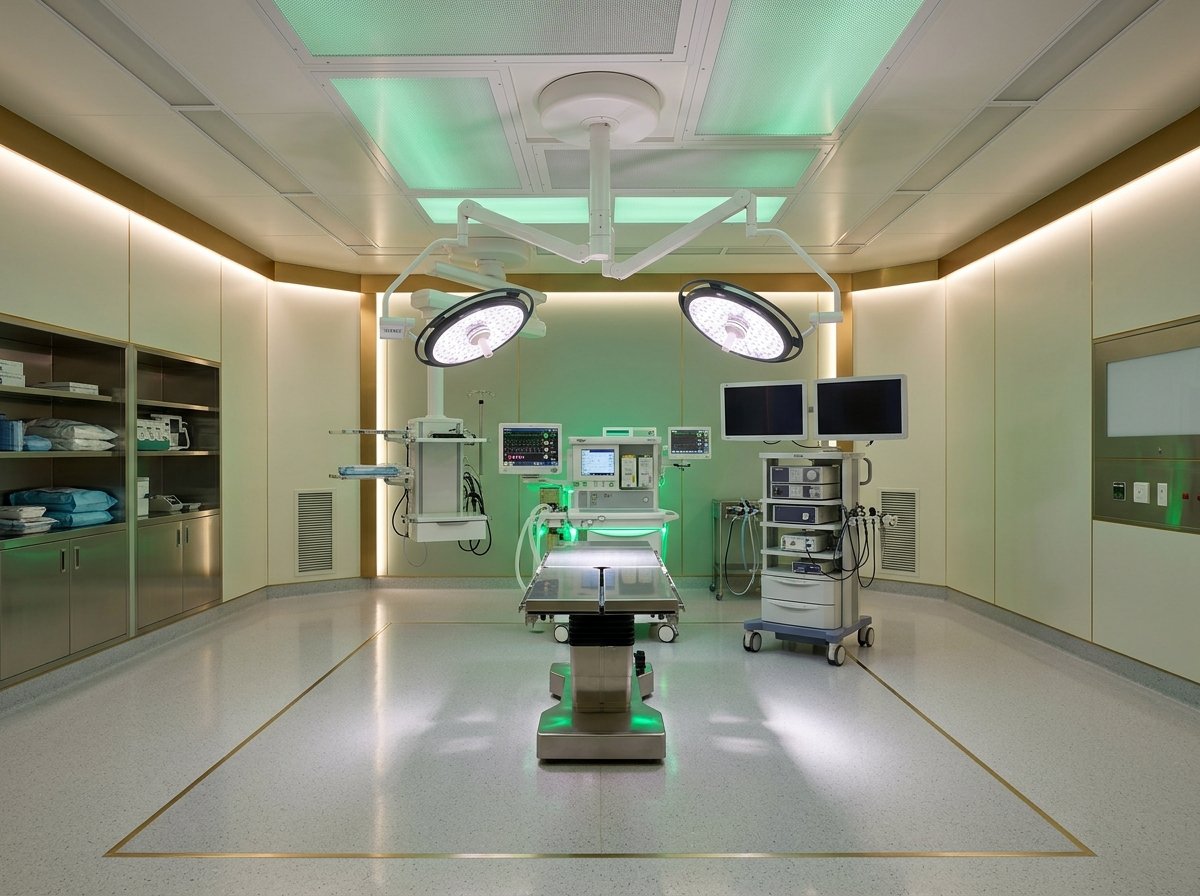
Modular laminar OT suites providing 100% confidential, personalized care.
Frequently Asked Questions About Plastic Surgery
Evidence-based answers to help you understand plastic, cosmetic, and reconstructive procedures.
Plastic surgery is a type of surgery used to repair, rebuild or reshape body tissues. It can be done to improve function, structure or appearance across various parts of the face and body.
Cosmetic surgery mainly focuses on appearance and aesthetic refinement. Plastic surgery is a broader field that includes both cosmetic surgery and reconstructive surgery for damaged, abnormal, or missing tissues.
Depending on their training and area of practice, a plastic surgeon may perform rhinoplasty, eyelid surgery, breast surgery (augmentation, reduction, lift), gynecomastia surgery, liposuction, body contouring, hair transplant, scar revision, and reconstructive surgery.
Reconstructive plastic surgery helps repair or rebuild tissues affected by accidents, burns, cancer surgery, birth-related conditions or other medical problems to restore form and physical function.
Yes. Many reconstructive and cosmetic surgeries are designed to improve both function and appearance. For example, rhinoplasty can improve breathing while refining nasal contours, and breast reduction relieves chronic back pain while creating lighter breasts.
Every surgery has some risks. When performed by a qualified, board-certified plastic surgeon in an accredited, ultra-sterile facility, it is very safe. Safety depends on your overall health, surgical technique, anesthesia, and strict adherence to aftercare instructions.
You need an in-person consultation and physical examination first. The most suitable procedure depends on your anatomical concern, skin elasticity, tissue thickness, and what you hope to achieve.
Sometimes, two procedures can be safely combined in a single surgical session (such as septorhinoplasty or combined breast lift with implants). This depends on your health, the procedures involved, and surgical safety guidelines.
Some scars can be significantly improved with surgical scar revision, tissue rearrangement, or grafting. While scars cannot be completely erased, their appearance, texture, and flexibility can be dramatically enhanced and camouflaged.
Yes. Reconstructive plastic surgery repairs trauma injuries to the face, ears, nose, hands, limbs, and skin to help restore physical movement, function, and natural appearance.
Yes. Reconstructive surgery can help rebuild areas following oncological tissue removal, including post-mastectomy breast reconstruction, facial reconstruction, and soft-tissue flap transfers.
You should consult a board-certified plastic surgeon with super-specialist MCh credentials. At ARC Plastic Surgery in Sector 104, Noida, Dr. Ashish Rai examines your concern and guides you on whether cosmetic surgery, reconstructive surgery, or non-surgical options are most appropriate.