Corneal Protection & Reconstruction

Entropion Surgery in Noida

Entropion surgery in Noida corrects inward-turning eyelids. With this condition, eyelid tissue and lashes are continually scraping the surface of the eye, causing corneal irritation and scarring. Symptoms include excessive tearing, eye redness, irritation, foreign body sensation, and in severe or untreated cases, corneal ulceration and perforation.

At ARC Plastic Surgery & Oculoplasty, Dr. Ruchi Rai, Ophthalmologist & Oculoplastic Surgeon, assesses and manages eyelid issues, including entropion. When looking for entropion correction surgery in Noida, inward-turning eyelid surgery, or oculoplasty in Noida, getting an accurate diagnosis and finding the right surgeon is essential. Depending on what is causing the eyelid entropion, the choice of treatment may vary.

Dr. Ruchi Rai Direct Evaluation Corneal Ulcer Prevention
Entropion Inward Eyelid Correction at ARC Noida

Entropion Treatment in Noida

Entropion means that the eyelid turns inward towards the eye. Because of this, the eyelashes keep touching and scraping the cornea every time you blink or move your eye.

At first, this may feel like simple irritation. But if the eyelashes continue rubbing against the eye, the problem becomes increasingly uncomfortable and can severely damage the surface of the cornea.

Eye Irritation & Burning

Continuous scratching sensation from inverted eyelashes with every single blink.

Redness & Conjunctival Injection

Chronic inflammatory redness triggered by mechanical lash trauma to the eye surface.

Excessive Watering (Epiphora)

Reactive hyper-lacrimation as the eye reflexively tries to flush away the irritating lashes.

Foreign Body Sensation

Unshakable feeling of grit, sand, or an eyelash stuck directly beneath the eyelid.

Photophobia & Blurred Vision

Severe sensitivity to sunlight and glare accompanied by hazy, fluctuating eyesight.

Corneal Abrasion & Ulcer Risk

Repeated micro-scratches can evolve into microbial corneal ulcers, scarring, or perforation.

Dr. Ruchi Rai evaluating eyelid entropion at ARC Noida

Causes of Entropion

Most Frequent Category

Age-Related (Involutional) Entropion

Involutional entropion is the most common type of entropion and usually develops with age as the lower eyelid tissues lose their firmness and structural support.

Key anatomical changes contributing to inward turning include:

  • Horizontal Looseness: Stretching of the medial and lateral canthal tendons.
  • Retractor Disinsertion: Weakness or separation of the capsulopalpebral fascia that pulls the lid down.
  • Preseptal Muscle Override: The preseptal orbicularis oculi muscle contracts and rides up over the pretarsal muscle.
  • Enophthalmos: Age-related loss of orbital fat allowing the lid margin to roll backward.
Often Solved with Combined Retractor & Tarsal Strip Repair
Scar-Mediated

Cicatricial Entropion

Happens when internal scar tissue shortens or pulls the back layer (posterior lamella) of the eyelid inward towards the globe.

Common triggers include previous trauma, prior eyelid surgeries, chemical/thermal burns, or chronic inflammatory diseases such as Ocular Pemphigoid and Stevens-Johnson Syndrome.

Requires surgical scar release, tissue repositioning, or spacer grafting.

Muscular Contraction

Spastic Entropion

Occurs when prolonged involuntary contraction or spasm of the orbicularis muscle forces the eyelid margin to flip inward.

This usually begins in response to active intraocular inflammation, corneal foreign bodies, dry eye irritation, or recent ocular surgery, setting off a painful vicious cycle.

Pediatric Anomaly

Congenital Entropion

Congenital entropion is rare and present from birth. It is often caused by hypertrophy of the marginal orbicularis muscle or an abnormal developmental insertion of the lower eyelid retractors.

Children need an immediate ophthalmic examination to differentiate true congenital entropion from epiblepharon (an extra skin fold common in Asian infants) and determine whether corrective surgery is needed to protect developing vision.

Pediatric Oculoplastic Screening at ARC Noida

When to See an Entropion Specialist in Noida

Lashes Constantly Touching Eye

Inverted eyelashes directly contacting the sensitive corneal surface with every blink.

Persistent One-Eye Watering

Unilateral chronic tearing that does not respond to regular allergy or lubricating drops.

Repeated Eye Redness

Recurrent conjunctival injection and inflammation that worsens as the day progresses.

Persistent Grit or Foreign Body

A relentless sensation that a foreign particle or sand is trapped behind the lower lid.

Pain While Blinking

Sharp stinging or burning pain during eyelid closure due to mechanical epithelial friction.

Severe Light Sensitivity

Inability to tolerate indoor lighting or sunlight comfortably (photophobia).

Visibly Inward-Turning Eyelid

The lower eyelid margin and lashes visibly rolled inward against the eyeball.

Blurred or Fluctuating Vision

Hazy eyesight caused by tear film disruption and corneal epithelial breakdown.

Corneal Abrasion & Infiltrates

Visible corneal clouding or epithelial defects detected during clinical slit-lamp evaluation.

When Is Entropion Surgery Needed?

Not every case of entropion needs surgery immediately. In some patients, temporary treatment can be used to make the eye more comfortable and protect it while a long-term treatment plan is decided.

This may include eyelid taping, lubricating the eye, therapeutic contact lenses, or temporary rotational sutures.

However, when the eyelid keeps turning inward, entropion correction surgery is needed to fix the structural problem itself:

Persistent eyelash-corneal scraping
Recurrent corneal abrasions or epithelial defects
Eyelid taping or drops no longer provide relief
Significant horizontal laxity of the lower eyelid
Disinserted lower eyelid retractors
Cicatricial scar contraction pulling the lid inward

Surgery vs. Temporary Measures

Temporary treatment and surgery are used for different clinical reasons.

Temporary Taping & Lubrication

Manually pulls the lower lid down and shields the cornea with thick ointments. Excellent for short-term comfort but does not fix the stretched tendons.

Rotational Everting Sutures

Quick bedside procedure providing 4 to 8 weeks of outward rotation for medically frail patients or while awaiting scheduled surgery.

Definitive Oculoplastic Surgery

Permanently repairs the stretched canthal tendons, re-anchors the slipped retractors, and stabilizes the lid margin for lasting correction.

Long-Term Corneal Preservation

Restores natural blinking vectors, preserves clear vision, and permanently stops mechanical eye trauma.

Entropion Surgery Techniques in Noida

01 Temporary / Rotational

Everting (Quickert) Sutures

Everting or rotational stitches help turn the eyelid edge outward, away from the eye surface.

Clinical Application:
  • Fast office-based procedure performed under local anesthesia.
  • Full-thickness sutures passed from the inferior fornix to the skin.
  • Immediately rotates the eyelashes away from the cornea.
  • Ideal for temporary stabilization or spastic entropion.
02 Horizontal Laxity

Lateral Tarsal Strip Procedure

Used when looseness of the lower eyelid is contributing to entropion by allowing the lid to buckle inward.

Clinical Application:
  • Tightens and supports the outer corner of the lower eyelid.
  • Re-anchors the lateral tarsus to the orbital rim periosteum.
  • Eliminates horizontal eyelid laxity and instability.
  • Highly effective for age-related involutional cases.
03 Vertical Vector

Lower Eyelid Retractor Repair

The tissues that help pull the lower eyelid down (retractors) can become weak or separate from their normal position.

Clinical Application:
  • Re-attaches the capsulopalpebral fascia to the inferior tarsal border.
  • Restores downward pull that prevents the lower lid from flipping inward.
  • Addresses vertical vector deficiency and muscle override.
  • May be done via an anterior subciliary or transconjunctival approach.
05 Scar Reconstruction

Cicatricial Entropion Reconstruction

Entropion caused by internal scarring needs a different approach to lengthen the contracted posterior lamella.

Specialized Approach:
  • Full release of the contracting conjunctival and tarsal scar band.
  • Placement of a spacer graft (hard palate mucosa, oral mucosa, or ear cartilage).
  • Re-positions the eyelid margin cleanly away from the eyeball.

Benefits of Entropion Correction Surgery

Normal Eyelid Position

Brings the eyelid margin cleanly back against the globe with eyelashes oriented outward.

Stops Lash Scraping

Permanently prevents the eyelashes from rubbing against the cornea, relieving pain immediately.

Reduces Chronic Watering

Eliminates reflex hyper-lacrimation and realigns the tear punctum for normal drainage.

Relieves Redness & Irritation

Resolves chronic conjunctival injection, burning, and the frustrating foreign body sensation.

Restores Eye Comfort

Allows effortless, comfortable blinking without the constant fear of corneal scratches.

Guards Against Corneal Ulcers

Prevents microbial infection, corneal thinning, scarring, and vision-threatening perforation.

Corrects the Underlying Structural Problem

Unlike temporary drops or tape, surgery directly repairs the stretched tendons and disinserted muscles. The result depends on the reason for the entropion, how severe it is, and the type of surgery needed.

Entropion Surgery Recovery in Noida

Phase 1
Days 1 – 3

Immediate Relief

Lashes are immediately out of the eye! Mild swelling and bruising peak around 48 hours. Cold compresses minimize puffiness. Prescribed antibiotic ointment applied to the suture line.

Phase 2
Days 7 – 10

Suture Removal

Fine skin sutures are comfortably removed at ARC in Sector 104, Noida. Bruising fades from purple to yellow. Eye comfort is significantly restored.

Phase 3
Weeks 2 – 4

Tissue Tightening

Lower lid laxity resolves into a snug, anatomically secure position. Patients resume regular work, light exercise, and normal reading without eye irritation.

Phase 4
Months 2 – 3

Complete Healing

Incision lines soften and blend seamlessly into the lateral canthal creases. Corneal epithelium completely recovers with clear, comfortable vision.

Entropion Surgery Safety and Risks

Entropion surgery is a commonly performed oculoplastic procedure with high success rates. Like any surgical procedure, it can carry some risks. Surgery for scar-related (cicatricial) entropion can be more challenging because the tissues have already altered from scarring.

Bleeding or Bruising
Infection (Very Rare)
Temporary Swelling
Incision Scarring
Temporary Discomfort
Overcorrection (Ectropion)
Undercorrection
Uneven Eyelid Position
Entropion Coming Back (Recurrence)
Continued Irritation
Need for Revision Surgery

Hospital-Grade Sterile Environment

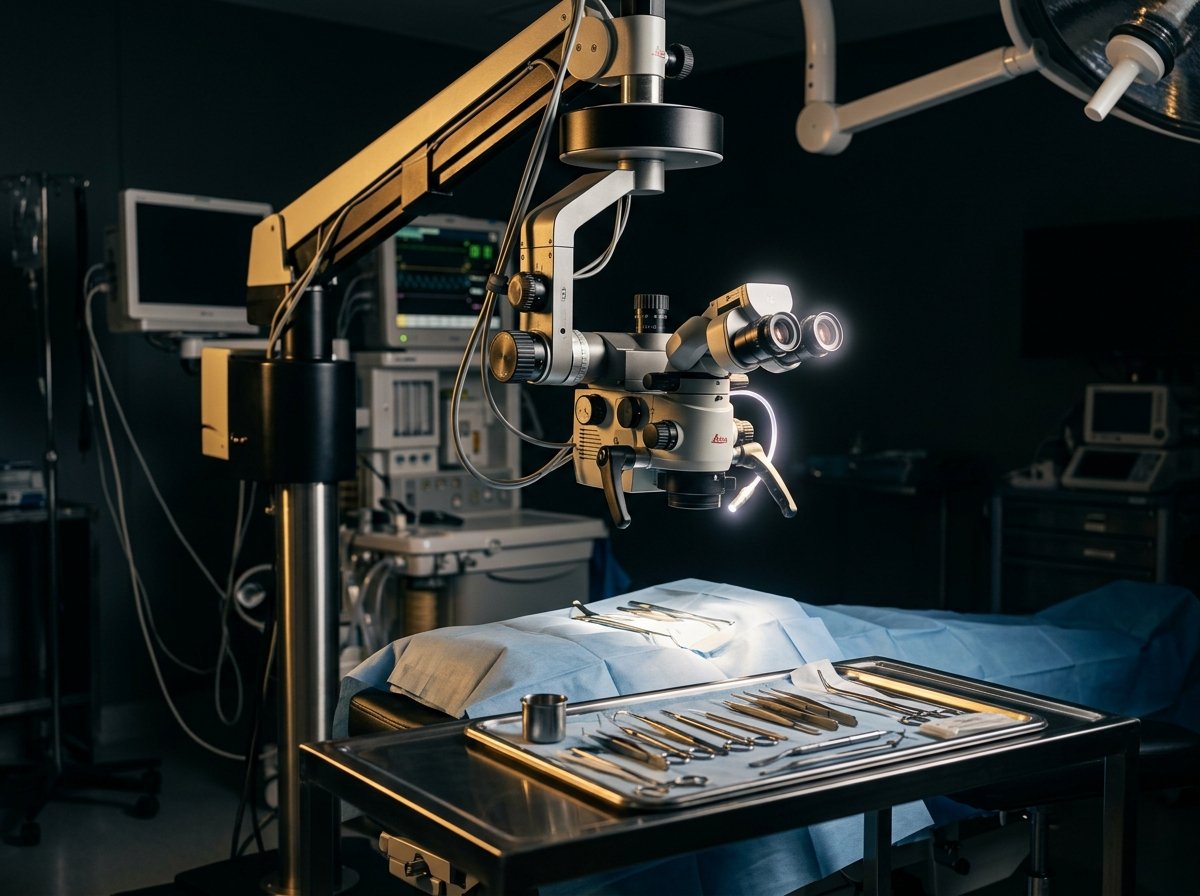
ARC Plastic Surgery & Oculoplasty Center features a dedicated modular laminar-flow operation theatre in Sector 104, Noida designed specifically for ophthalmic micro-surgeries.

High-magnification surgical operating microscopes
Ultra-fine micro-ophthalmic suture materials
Intra-operative eyelid stability testing
Comprehensive corneal health tracking
Dr. Ruchi Rai - Oculoplastic Surgeon for Entropion in Noida
Oculoplasty Specialist

Why Choose Dr. Ruchi Rai for Entropion Treatment in Noida?

When looking for entropion treatment in Noida, the first thing to understand is that the same surgery is not suitable for every patient. The treatment depends on what has caused the eyelid to turn inward.

At ARC Plastic Surgery & Oculoplasty, Dr. Ruchi Rai evaluates the type and severity of entropion, eyelid looseness, eyelid position, function of the lower eyelid retractors, condition of the cornea and eye surface, previous surgery or injury, and the individual treatment needs of the patient.

The aim is to bring the eyelid back to a better position, stop the eyelashes from rubbing against the eye, and protect normal eye function.

Dual Ophthalmic Precision

Combines slit-lamp corneal expertise with advanced oculoplastic reconstructive surgery.

Customized Surgical Selection

Selects retractor repair, lateral tarsal strip, or combined repair based on your specific defect.

Corneal Scar Prevention

Focuses on rapid elimination of lash friction to prevent irreversible visual impairment.

Sector 104, Noida Center

Centrally located boutique clinic offering confidential, personal 1:1 specialist care.

Schedule Evaluation with Dr. Ruchi Rai →

Entropion Treatment FAQs

Entropion is a condition in which the eyelid turns toward the eye. The edge of the eyelid and eyelashes then continually rub against the cornea's sensitive surface, causing irritation, watering, and pain.

Yes, it can become very serious when it persists for a prolonged period. The constant friction of the eyelashes with the cornea causes irritation and, in severe or neglected instances, can cause corneal abrasions, microbial ulcers, scarring, and permanent vision damage. Entropion should be examined promptly by an eye specialist.

No. If the eyelid is suffering from structural issues such as stretched tendons or detached retractor muscles, it will not resolve on its own. Temporary measures like taping or drops may provide temporary relief, but surgery is usually required to correct the anatomical condition of the eyelid.

Involutional (age-related) entropion is by far the most frequent type. It typically develops due to alterations in the lower eyelids resulting from natural aging, including horizontal tendon looseness and lower eyelid retractor disinsertion.

Yes. When the eyelashes continually irritate the cornea, the lacrimal gland reacts by producing excessive reflex tears. Additionally, the inward roll of the eyelid displaces the tear drainage punctum, preventing tears from draining into the nose.

Yes. The constant abrasive rubbing of eyelashes against the cornea scratches the clear surface epithelial cells, leading to painful abrasions, secondary bacterial or fungal corneal ulcers, and potentially permanent opaque scars.

Surgery is intended to provide a long-lasting, definitive solution. However, entropion may return in some patients over time due to continuing tissue aging or active scarring diseases. Combining a lateral tarsal strip with retractor repair offers the lowest recurrence rate.

Entropion means the eyelid turns inward towards the eye, causing the lashes to scrape the cornea.
Ectropion means the eyelid turns outward, sagging away from the eye, exposing the conjunctiva and causing chronic dryness and tearing. Both are eyelid malpositions, but their mechanisms and treatments are different.

You should consult a fellowship-trained oculoplastic surgeon or ophthalmologist like Dr. Ruchi Rai at ARC Plastic Surgery & Oculoplasty in Sector 104, Noida. An oculoplastic specialist can examine both the corneal health and the complex eyelid musculature to select the best repair.

No. Temporary treatments such as taping, lubricating ointments, or therapeutic contact lenses protect the eye and control symptoms, but they do not repair the stretched ligaments or detached muscles. Surgery is required for definitive, lasting correction.

Visit Our Center

Open for Entropion Consultations

ARC Plastic Surgery
& Oculoplasty Center

Address HA-80,Block A, Sector 104, Noida,
Uttar Pradesh 201304
Consultation Hours Mon – Sat: 12:00 – 20:00
ARC Plastic Surgery — Sector 104, Noida